Etre comme on le désire tout simplement, grâce à la chirurgie & la médecine esthétique en Tunisie avec MEDHANNIBAL.
Brow Bone Reduction Surgery in Turkey
Brow bone reduction surgery, often referred to as forehead contouring or frontal bossing reduction, is a specialized cosmetic procedure designed to reshape and reduce the prominence of the brow bone. This surgery plays a pivotal role in facial feminization surgery (FFS) for transgender women, helping to create a softer, more feminine facial profile. However, it is also sought by cisgender individuals who desire a less prominent brow bone for aesthetic reasons, aiming for a more balanced and harmonious facial appearance.
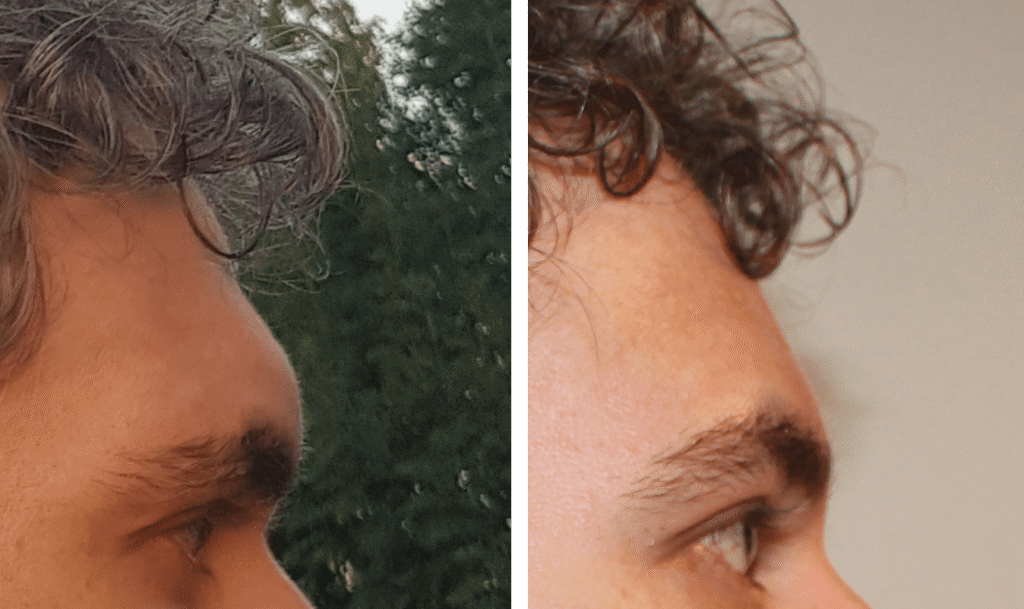
The brow bone, or supraorbital rim, is a bony ridge located above the eyes. In many individuals, particularly cisgender men, this bone tends to be more pronounced, creating a heavier, sometimes more angular or masculine appearance. A prominent brow bone can cast shadows over the eyes, making them appear deeper set and sometimes contributing to a stern or tired expression. By reducing this prominence, surgeons can achieve a significant transformation, opening up the eye area, softening the forehead contour, and contributing to an overall more delicate and aesthetically pleasing facial structure.
The primary goal of brow bone reduction is not just to reduce the bone itself, but to achieve a harmonious balance with other facial features. This involves careful consideration of the forehead slope, the position of the eyebrows, and the overall facial symmetry. The procedure is highly individualized, requiring a surgeon with a deep understanding of facial anatomy and aesthetic principles to achieve natural-looking and satisfying results.
Understanding the Anatomy of the Brow Bone
To fully appreciate the complexities and goals of brow bone reduction surgery, it’s essential to understand the underlying anatomy. The brow bone is part of the frontal bone of the skull, which forms the forehead. Specifically, the prominent ridge is known as the supraorbital rim. Behind this rim, in the central forehead area, lies the frontal sinus – an air-filled cavity within the bone.
Key Anatomical Features:
- Frontal Bone: The large bone that forms the forehead and the upper part of the eye sockets.
- Supraorbital Rim: The thickened, projecting upper margin of the orbit (eye socket). This is the primary target for reduction.
- Glabella: The smooth, triangular area between the eyebrows and above the nasal root. This area is often more prominent in individuals with a strong brow bone.
- Frontal Sinus: An air-filled cavity located within the frontal bone, directly behind the glabella and supraorbital rim. The size and thickness of the anterior wall of the frontal sinus are crucial factors in determining the appropriate surgical technique.
Differences Between Male and Female Brow Bones:
There are distinct anatomical differences in the brow bone structure between biological males and females, which contribute to perceived gender differences in facial appearance:
- Male Brow Bone: Typically more prominent, projecting further forward, and often forming a distinct ridge (brow bossing). The glabella area is usually more pronounced, and the forehead tends to recede more sharply above the brow. The frontal sinus wall can be thicker.
- Female Brow Bone: Generally smoother, less prominent, and more gently curved. The forehead often has a more vertical or slightly convex slope from the brow to the hairline, without a distinct ridge. The glabella is less pronounced, and the frontal sinus wall tends to be thinner.
The impact of brow bone prominence on facial aesthetics is significant. A strong brow bone can create a shadow over the eyes, making them appear smaller or deeper set. It can also contribute to a more « masculine » or « heavy » appearance, which can be a source of dysphoria for transgender women or simply an aesthetic concern for others. By addressing this specific feature, surgeons can dramatically alter the facial perception, creating a softer, more open, and often more youthful look.
Types of Brow Bone Reduction Techniques
The choice of surgical technique for brow bone reduction depends primarily on the individual’s anatomy, specifically the thickness of the frontal sinus wall and the degree of brow bone prominence. Surgeons typically employ one of three main approaches, or a combination thereof.
A. Type 1: Brow Shaving (Burring)
- Description: This technique involves carefully shaving down or burring the outer layer of the brow bone using specialized surgical instruments. It is the least invasive of the brow reduction methods.
- Indications: Type 1 reduction is suitable for individuals with mild to moderate brow bone prominence and, crucially, a thick anterior wall of the frontal sinus. If the sinus wall is thick enough, the surgeon can safely reduce the bone without compromising the integrity of the sinus cavity.
- Procedure: An incision is typically made along the hairline or within the hair to minimize visible scarring. The skin and underlying tissues are carefully lifted to expose the frontal bone. The surgeon then uses a high-speed burr to meticulously reshape and reduce the bone prominence, paying close attention to achieving a smooth, natural contour.
- Pros:
- Less invasive than osteotomy.
- Shorter recovery time compared to more extensive procedures.
- Preserves the frontal sinus structure.
- Lower risk of complications related to sinus entry.
- Cons:
- Limited in the amount of reduction that can be achieved.
- Not suitable for significant brow bossing or thin frontal sinus walls.
- Risk of creating an uneven contour if not performed precisely.
B. Type 2: Forehead Cranioplasty (Setback/Osteotomy)
- Description: This is a more extensive procedure, often referred to as a « setback » or « osteotomy. » It involves removing the anterior (front) wall of the frontal sinus, reshaping it, and then reattaching it in a more recessed position.
- Indications: Type 2 reduction is necessary for individuals with significant brow bone prominence, especially when the anterior wall of the frontal sinus is thin. In such cases, simply burring the bone would risk perforating the sinus cavity, leading to potential complications.
- Procedure: Similar to Type 1, an incision is made (usually along the hairline or within the hair). The surgeon carefully exposes the frontal bone and then meticulously cuts and removes the anterior wall of the frontal sinus. This bone segment is then reshaped, thinned, and contoured on a sterile back table. Once prepared, it is reattached to the skull in a more posterior (setback) position using small titanium screws and plates, which are biocompatible and generally remain in place permanently. The remaining bone around the supraorbital rim may also be burred to achieve a seamless transition.
- Pros:
- Allows for significant reduction of brow bone prominence.
- Achieves a dramatic and effective feminization of the forehead.
- Provides a smooth, natural forehead contour, even with severe bossing.
- Cons:
- More invasive procedure.
- Longer recovery time.
- Higher risk of complications, including those related to the frontal sinus (e.g., infection, mucocele, cerebrospinal fluid leak, though rare).
- Requires the use of titanium hardware (though generally well-tolerated).
- Potential for temporary or permanent numbness in the forehead due to nerve manipulation.
C. Type 3: Combined Approach
- Description: In some cases, a combination of Type 1 (burring) and Type 2 (setback) techniques may be used. This approach is tailored to address specific areas of prominence.
- Indications: A combined approach might be employed when the central glabella area requires a significant setback (Type 2) due to a thin sinus wall, but the lateral (side) portions of the supraorbital rim can be effectively reduced by simple burring (Type 1). This allows for maximum reduction where needed while minimizing invasiveness in other areas.
- Procedure: The surgeon performs an osteotomy of the central frontal sinus wall for setback, and then uses burring to refine the surrounding bone and the lateral brow ridges, ensuring a smooth, continuous contour.
- Pros:
- Highly customized approach for optimal results.
- Combines the benefits of both techniques.
- Can achieve excellent aesthetic outcomes for complex cases.
- Cons:
- Complexity of the procedure.
- Combines the potential risks of both Type 1 and Type 2.
D. Frontal Sinus Obliteration (Rarely for Brow Reduction Alone)
- Description: This is not a primary brow reduction technique but may be considered in very specific, rare circumstances, usually if there are pre-existing frontal sinus issues or if the sinus is inadvertently opened and deemed too problematic to reconstruct. It involves removing the sinus lining and filling the cavity with bone graft material or fat to prevent future problems.
- Indications: Typically performed for chronic sinus infections, trauma, or tumors affecting the frontal sinus. It is rarely done as part of routine brow bone reduction unless a severe complication or pre-existing condition necessitates it.
- Pros/Cons: Highly specialized, with its own set of risks and benefits that are usually discussed in the context of sinus pathology rather than aesthetic brow reduction.
The choice of technique is a critical decision made by the surgeon in consultation with the patient, based on detailed anatomical assessment, often involving CT scans and 3D imaging to visualize the frontal sinus and bone thickness accurately.
The Surgical Process: A Step-by-Step Guide
Embarking on brow bone reduction surgery involves several distinct phases, from initial consultation to post-operative recovery. Understanding each step can help alleviate anxiety and prepare you for the journey.
A. Initial Consultation:
This is the foundational step where you meet with your potential surgeon to discuss your goals and assess your suitability for the procedure.
- Patient History and Goals: You’ll discuss your medical history, any existing conditions, medications, allergies, and previous surgeries. Crucially, you’ll articulate your aesthetic goals and what you hope to achieve with the surgery. For transgender individuals, this often involves discussing dysphoria and the desire for facial feminization.
- Physical Examination and Facial Analysis: The surgeon will thoroughly examine your face, assessing your bone structure, skin quality, eyebrow position, and overall facial symmetry. They will pay close attention to the prominence of your brow bone and its relationship to other features.
- 3D Imaging and Virtual Surgical Planning (VSP): Many advanced clinics in Turkey utilize 3D CT scans and specialized software to create a detailed virtual model of your skull. This allows the surgeon to precisely measure bone thickness, identify the exact location and size of the frontal sinus, and virtually plan the surgical approach. You may even be able to visualize potential « before and after » scenarios, helping to set realistic expectations.
- Discussion of Techniques, Risks, and Benefits: The surgeon will explain the recommended surgical technique (Type 1, 2, or combined) based on your anatomy. They will thoroughly discuss the potential benefits, expected outcomes, and all associated risks and possible complications, ensuring you are fully informed.
- Cost, Financing, and Travel Arrangements: This is where practical details are addressed. You’ll receive a detailed quote for the surgery, including what’s covered (hospital stay, anesthesia, surgeon’s fees, etc.). If you’re a medical tourist, the clinic’s patient coordinator will often assist with travel planning, accommodation, and airport transfers.
B. Pre-operative Preparations:
Once you’ve decided to proceed, a series of preparations are necessary to ensure your safety and optimize surgical outcomes.
- Medical Evaluations: You will undergo a comprehensive medical check-up, including blood tests, urine analysis, an electrocardiogram (EKG), and possibly a chest X-ray. These tests ensure you are in good health for general anesthesia and surgery.
- Medication Adjustments: You will be advised to stop certain medications, especially blood thinners (e.g., aspirin, ibuprofen, certain supplements like Vitamin E, fish oil) at least two weeks before surgery to minimize bleeding risks. Discuss all your medications with your surgeon.
- Smoking Cessation and Alcohol Restriction: Smoking significantly impairs healing and increases complication risks. You will be advised to stop smoking at least 4-6 weeks before surgery. Alcohol consumption should also be limited or ceased prior to surgery.
- Hair Preparation: Depending on the incision type, you may be asked to wash your hair with a special antiseptic shampoo. In some cases, a small strip of hair along the incision line might be shaved.
- Logistics: Confirm your travel plans, accommodation, and ensure you have a companion to support you during your initial recovery, especially if traveling alone. Arrange for comfortable, loose-fitting clothing that is easy to put on and take off without pulling over your head.
C. The Day of Surgery:
- Arrival at Clinic/Hospital: You will arrive at the hospital on the morning of your surgery, usually several hours beforehand.
- Final Consultations: You’ll meet with your surgeon and anesthesiologist. The surgeon will make final markings on your forehead, and you’ll have an opportunity to ask any last-minute questions.
- Anesthesia: Brow bone reduction is performed under general anesthesia, meaning you will be completely asleep and pain-free throughout the procedure.
- Surgical Procedure:
- Incision: The surgeon makes an incision, typically within the hair (coronal incision) or along the hairline (trichophytic incision), chosen to minimize visible scarring.
- Exposure: The skin and soft tissues are carefully lifted to expose the frontal bone and supraorbital rim.
- Bone Reshaping: Depending on the chosen technique (Type 1, 2, or combined), the surgeon will either burr down the bone or perform an osteotomy to remove, reshape, and setback the anterior frontal sinus wall.
- Fixation (for Type 2): If an osteotomy is performed, the reshaped bone segment is reattached using small, biocompatible titanium plates and screws.
- Contouring: The entire forehead contour is meticulously refined to ensure a smooth, natural, and feminized appearance.
- Closure: The tissues are carefully repositioned, and the incision is closed with sutures or surgical staples. Drains may be placed temporarily to prevent fluid accumulation.
- Duration of Surgery: The procedure typically takes 2-4 hours, depending on the complexity and whether other facial procedures are being performed concurrently.
D. Post-operative Care (Immediate):
- Recovery Room: After surgery, you will be monitored in a recovery room as you awaken from anesthesia.
- Pain Management: You will receive pain medication to manage any discomfort.
- Swelling, Bruising, Numbness: Swelling and bruising are expected, particularly around the forehead and eyes. Numbness in the forehead and scalp is also common due to nerve manipulation and is usually temporary.
- Head Dressing/Compression Garment: A soft head dressing or compression garment may be applied to help reduce swelling and provide support.
- Hospital Stay: Most patients stay in the hospital for 1-2 nights for monitoring and initial recovery.
Recovery and Results
The recovery process after brow bone reduction surgery is gradual, with significant changes occurring over several weeks and months. Patience and adherence to post-operative instructions are crucial for optimal results.
A. Short-Term Recovery (Weeks 1-4):
- Managing Swelling and Bruising:
- Peak Swelling: Swelling will be most pronounced in the first 3-5 days, often extending to the eyelids and cheeks.
- Cold Compresses: Applying cold compresses (carefully, without direct pressure on the incision) can help reduce swelling and discomfort.
- Head Elevation: Sleeping with your head elevated (using extra pillows or a recliner) for at least 1-2 weeks will significantly help reduce swelling.
- Bruising: Bruising, appearing as purple or yellowish discoloration, will gradually fade over 2-3 weeks.
- Pain Management: You will be prescribed oral pain medication to manage discomfort. Most patients find the pain manageable and decreasing rapidly after the first few days.
- Activity Restrictions:
- Rest: The first week is critical for rest. Avoid any strenuous activities, heavy lifting, bending over, or sudden movements that could increase blood pressure in the head.
- Showering/Hair Washing: You will receive specific instructions on when and how to gently wash your hair, usually after a few days, being careful around the incision.
- Work/School: Most patients can return to light activities or desk-based work after 1-2 weeks, depending on their comfort level and the nature of their job.
- Incision Care:
- Sutures/Staples: If non-dissolvable sutures or surgical staples were used, they are typically removed by the surgeon or nurse around 7-14 days post-op.
- Scar Management: Once the incision is healed, your surgeon may recommend scar massage, silicone sheets, or topical creams to help improve scar appearance over time.
- Numbness and Tingling: Numbness in the forehead and scalp is almost universal after this surgery due to nerve manipulation. This is usually temporary, and sensation gradually returns over weeks to months, often accompanied by tingling or itching as nerves regenerate. In rare cases, small areas of permanent numbness may occur.
- Diet and Hydration: Maintain a soft, easy-to-chew diet if there’s any discomfort with chewing. Stay well-hydrated.
- Follow-up Appointments: Regular follow-up appointments with your surgeon are essential to monitor your healing progress and address any concerns.
B. Long-Term Recovery (Months 1-12+):
- Gradual Resolution of Swelling: While the initial swelling subsides quickly, subtle swelling can persist for several months, particularly in the forehead area. The final contour will become more apparent as this residual swelling resolves.
- Numbness Resolution: Full sensation can take 6-12 months or even longer to return. Be patient, as nerve regeneration is a slow process.
- Scar Maturation: Scars will initially be red and slightly raised but will gradually soften, flatten, and fade over 12-18 months, becoming less noticeable. Adhering to scar care instructions is vital.
- Return to Normal Activities: Most strenuous activities, including exercise, can typically be resumed after 4-6 weeks, with your surgeon’s clearance.
- Final Results: The true final results of your brow bone reduction surgery will be visible once all swelling has completely subsided and the tissues have settled, which can take up to a year or more.
C. Expected Results:
- Softer, More Feminine Brow Contour: The most significant and desired outcome is a reduction in brow bone prominence, leading to a smoother, more gently curved forehead profile.
- Improved Facial Balance: The surgery contributes to a more harmonious balance between the upper, middle, and lower thirds of the face.
- Opened Eye Area: By reducing the brow bone, the eyes often appear less deep-set and more open, contributing to a brighter, more refreshed look.
- Potential Impact on Eyebrow Position: In some cases, the surgery can also subtly lift the eyebrows, further enhancing the feminization effect.
- Realistic Expectations: It’s crucial to have realistic expectations. While the surgery can achieve dramatic improvements, it’s about enhancement and feminization, not perfection. Discuss your desired outcome thoroughly with your surgeon during the consultation. The goal is a natural-looking result that aligns with your overall facial features.
VI. Potential Risks and Complications
Like any surgical procedure, brow bone reduction carries potential risks and complications. While serious complications are rare, it’s crucial to be aware of them and discuss them thoroughly with your surgeon.
A. General Surgical Risks (Applicable to any surgery):
- Anesthesia Risks: Reactions to anesthesia, including nausea, vomiting, allergic reactions, or more severe cardiovascular or respiratory problems (extremely rare).
- Infection: Although sterile techniques are used, there’s always a small risk of infection at the surgical site. This may require antibiotics or, in rare cases, further surgical intervention.
- Bleeding/Hematoma: Excessive bleeding during or after surgery, which can lead to a collection of blood (hematoma) under the skin. This may require drainage.
- Scarring: While surgeons strive to place incisions discreetly, some scarring is inevitable. Scars can be red, raised, or hypertrophic/keloid in susceptible individuals, though this is rare on the scalp.
- Poor Wound Healing: Factors like smoking, diabetes, or poor nutrition can impair wound healing.
B. Specific Risks for Brow Bone Reduction:
- Numbness (Temporary/Permanent):
- Forehead and Scalp: Numbness in the forehead and scalp is very common due to the temporary stretching or severing of small sensory nerves (supraorbital and supratrochlear nerves) during the procedure. Sensation usually returns gradually over weeks to months, but small areas of permanent numbness are possible.
- Itching/Tingling: As nerves regenerate, patients often experience itching, tingling, or unusual sensations in the healing areas.
- Asymmetry: While surgeons aim for perfect symmetry, minor asymmetries can occur, as natural human faces are rarely perfectly symmetrical. Significant asymmetry might require revision surgery.
- Irregularities in Bone Contour: Despite careful contouring, subtle irregularities, bumps, or depressions in the bone may be palpable or visible, especially as swelling resolves. This can sometimes be corrected with further refinement.
- Hair Loss (Temporary/Permanent at Incision):
- Temporary Effluvium: Some temporary hair thinning or loss around the incision site (telogen effluvium) is common due to surgical stress and trauma to hair follicles. Hair usually regrows within a few months.
- Permanent Hair Loss: In rare cases, permanent hair loss (alopecia) can occur along the incision line if hair follicles are severely damaged.
- Revision Surgery: While most patients are satisfied with their results, a small percentage may require revision surgery to address minor imperfections, asymmetries, or residual prominence.
- Frontal Sinus Issues (More relevant for Type 2 Osteotomy):
- Sinus Infection: If the frontal sinus is opened (Type 2), there’s a small risk of infection within the sinus cavity.
- Mucocele: A rare complication where the sinus drainage pathway becomes blocked, leading to a build-up of mucus within the sinus, potentially requiring further surgery.
- Cerebrospinal Fluid (CSF) Leak: An extremely rare but serious complication if the dura (the membrane surrounding the brain) is breached during surgery, leading to leakage of CSF. This requires immediate medical attention.
- Nerve Damage (Supraorbital Nerve): While temporary numbness is common, direct damage to the supraorbital nerve can lead to more persistent or severe numbness, or even chronic pain (neuralgia) in the forehead. This is rare with experienced surgeons.
- Unsatisfactory Aesthetic Outcome: Despite the best efforts, a patient may not be entirely satisfied with the aesthetic result, even if the surgery was technically successful. This underscores the importance of clear communication and realistic expectations during the consultation phase.
It is vital to choose a highly experienced and board-certified surgeon who specializes in facial surgery and has extensive experience with brow bone reduction to minimize these risks. Your surgeon should provide a detailed consent form outlining all potential complications.
Why Choose Turkey for Brow Bone Reduction Surgery?
Turkey has rapidly emerged as a global leader in medical tourism, particularly for cosmetic and reconstructive surgeries. Several compelling factors draw international patients seeking procedures like brow bone reduction.
A. Cost-Effectiveness:
- Lower Overheads: The operational costs for clinics and hospitals in Turkey are significantly lower compared to Western European countries, the UK, or North America. This includes lower labor costs, facility maintenance, and insurance.
- Favorable Exchange Rates: The exchange rate of the Turkish Lira against major currencies like the Euro, British Pound, and US Dollar makes medical procedures considerably more affordable for international patients.
- Comparison to Western Countries: Patients can often save 50-70% on the total cost of brow bone reduction surgery in Turkey compared to equivalent procedures in their home countries, without compromising on quality.
- What’s Typically Included: Many Turkish clinics offer comprehensive « all-inclusive » packages that cover the surgery, anesthesia, hospital stay, medications, post-operative care, airport transfers, and even accommodation in a partner hotel. This transparent pricing structure helps patients budget effectively.
B. High-Quality Medical Care:
- Accredited Hospitals: Turkey boasts a large number of hospitals accredited by international bodies such as the Joint Commission International (JCI). JCI accreditation signifies adherence to stringent international standards for patient safety and quality of care, comparable to top hospitals in the US and Europe.
- Experienced, Internationally Trained Surgeons: Many Turkish plastic surgeons have received their training in leading medical institutions in Europe and the USA. They are often members of international surgical associations and regularly attend global conferences, staying abreast of the latest techniques and advancements. They have extensive experience with complex facial surgeries, including FFS.
- State-of-the-Art Facilities and Technology: Turkish medical facilities are equipped with modern technology, including advanced surgical instruments, 3D imaging systems for surgical planning, and sophisticated operating theaters.
- Multilingual Staff: Recognizing the influx of international patients, most reputable clinics employ multilingual staff, including patient coordinators and translators, to ensure clear communication throughout the patient’s journey.
C. Medical Tourism Infrastructure:
- Well-Established Industry: Turkey has a mature and highly organized medical tourism industry. This means there are dedicated departments and agencies focused on assisting international patients with every aspect of their trip.
- Dedicated Patient Coordinators: From the moment of initial inquiry, patients are typically assigned a personal patient coordinator who guides them through the entire process – from virtual consultations and booking to post-operative follow-ups.
- Travel Logistics: These coordinators often assist with visa information, flight recommendations, and local transportation, making the entire experience seamless for international visitors.
D. Privacy and Discretion:
- Recovery Away from Home: For many individuals, especially those undergoing facial feminization surgery, the opportunity to recover in a private environment away from their usual social circles is highly valued. Turkey provides this discretion, allowing patients to heal without immediate scrutiny.
E. Cultural Experience:
- Combining Recovery with Tourism: While the primary purpose is medical, patients often have the opportunity to experience Turkey’s rich history, vibrant culture, and delicious cuisine during their recovery period, once they are well enough to do so. Cities like Istanbul offer a fascinating blend of East and West, providing a unique backdrop to a life-changing journey.
Choosing the Right Surgeon and Clinic in Turkey
Selecting the right surgeon and clinic is the most critical decision for a successful brow bone reduction surgery. Thorough research and careful evaluation are paramount.
A. Surgeon Credentials:
- Board Certification: Ensure your surgeon is board-certified by the Turkish Plastic, Reconstructive and Aesthetic Surgery Association. This signifies they have met rigorous standards of training and expertise.
- Specialization in FFS/Facial Surgery: While many plastic surgeons perform general cosmetic procedures, for brow bone reduction, especially as part of FFS, it’s crucial to choose a surgeon who specializes in facial surgery and has extensive experience with facial feminization techniques. This indicates a deeper understanding of facial anatomy and aesthetic goals specific to these procedures.
- Experience (Number of Procedures): Inquire about the surgeon’s specific experience with brow bone reduction. How many have they performed? What techniques do they commonly use?
- Before & After Photos: Request to see a comprehensive portfolio of their previous brow bone reduction patients. Pay attention to the consistency of their results, the naturalness of the contour, and whether the results align with your aesthetic preferences. Look for photos taken from multiple angles.
- Patient Reviews and Testimonials: Read reviews on independent platforms (Google, RealSelf, dedicated forums). Look for consistent positive feedback regarding surgical outcomes, patient care, communication, and post-operative support.
- Communication Skills and Empathy: During your consultation, assess how well the surgeon listens to your concerns, explains the procedure, and addresses your questions. A good surgeon is not only technically skilled but also empathetic and able to build trust.
B. Clinic/Hospital Standards:
- Accreditation: Prioritize clinics or hospitals that hold international accreditations like JCI (Joint Commission International) or ISO certifications. These indicate adherence to global standards for patient safety and quality.
- Technology and Equipment: Ensure the facility is well-equipped with modern surgical technology, including 3D imaging for pre-operative planning, which is crucial for precise brow bone reduction.
- Hygiene and Safety Protocols: Inquire about their infection control measures, sterilization practices, and emergency protocols. A reputable clinic will be transparent about these.
- Post-operative Support: Confirm the level of post-operative care provided, including follow-up appointments, access to medical staff for questions, and emergency contact procedures.
C. Consultation Process:
- Online Consultations: Most Turkish clinics offer virtual consultations (video calls, photo analysis) for international patients. This is an excellent opportunity to assess the surgeon and their team before traveling.
- Questions to Ask During Consultation: Prepare a list of questions, including:
- What technique do you recommend for me, and why?
- What are the potential risks and complications specific to my case?
- What kind of results can I realistically expect?
- What is the total cost, and what exactly is included?
- What is the recovery timeline?
- How many brow bone reduction surgeries do you perform per month/year?
- What is your policy for revision surgery if needed?
- Who will be my point of contact during my stay?
- Transparency in Pricing: Ensure the clinic provides a clear, itemized breakdown of costs with no hidden fees.
D. Package Deals and Inclusions:
- What’s Covered? Clarify exactly what the package includes: surgeon’s fees, anesthesia fees, hospital stay (number of nights), pre-operative tests, post-operative medications, follow-up appointments, airport transfers, and accommodation.
- What’s Not Covered? Understand what you will need to pay for separately, such as flights, meals outside the hospital/hotel, personal expenses, and any extended stay beyond the package duration.
Travel and Logistics for Medical Tourists
Traveling for surgery requires careful planning. Turkey’s well-developed medical tourism infrastructure makes this process smoother, but understanding the logistics is key.
A. Visa Requirements:
- Check Specific Country Requirements: Visa requirements vary significantly by nationality. Many countries are eligible for an e-Visa, which can be obtained online quickly and easily before your trip. Others may require a traditional visa application through the Turkish embassy or consulate in their home country.
- e-Visa Process: If eligible, apply for your e-Visa well in advance of your travel date through the official Republic of Turkey Electronic Visa Application System.
B. Flights and Airports:
- Major Airports: Turkey has several international airports, with Istanbul (Istanbul Airport – IST and Sabiha Gökçen Airport – SAW) being the primary hubs. Other major airports include Ankara (ESB) and Antalya (AYT). Your choice of airport will depend on the clinic’s location.
- Direct Flights: Istanbul, in particular, offers direct flights from numerous cities across Europe, Asia, Africa, and North America, making it highly accessible.
C. Accommodation:
- Clinic-Provided Accommodation: Many medical tourism packages in Turkey include a stay in a partner hotel, often a comfortable 4- or 5-star hotel near the clinic, for a specified number of nights. This is usually the most convenient option.
- Independent Booking: If accommodation is not included or you prefer to choose your own, research hotels or serviced apartments that are close to your clinic and offer amenities suitable for post-operative recovery (e.g., easy access, quiet environment, room service).
D. Transportation in Turkey:
- Airport Transfers: Reputable clinics almost always arrange complimentary airport transfers to and from the hospital/hotel, ensuring a stress-free arrival and departure.
- Local Transport: For travel between your hotel and the clinic for follow-ups, taxis, ride-sharing apps (like BiTaksi or Uber in Istanbul), or public transport (metro, tram) are readily available. Your patient coordinator can advise on the best options.
E. Language Barrier:
- English Widely Spoken: In medical tourism settings, English is widely spoken by doctors, nurses, patient coordinators, and hotel staff.
- Translators/Coordinators: Your assigned patient coordinator will typically be fluent in English and often other languages, serving as your primary point of contact and translator throughout your stay.
F. Duration of Stay:
- Recommended Minimum Stay: For brow bone reduction surgery, a minimum stay of 7-14 days in Turkey post-surgery is generally recommended. This allows for initial healing, suture/staple removal, and crucial follow-up appointments with your surgeon before you travel back home.
- Planning for Follow-up Appointments: Ensure your travel dates accommodate all necessary post-operative check-ups.
Important Considerations and Tips
To ensure a safe, successful, and satisfying experience, keep the following important considerations and tips in mind:
A. Research Thoroughly:
- Don’t Rush the Decision: Take your time to research multiple surgeons and clinics. Compare their credentials, experience, patient reviews, and before-and-after portfolios.
- Verify Information: Cross-reference information from various sources. Don’t rely solely on a clinic’s website.
B. Manage Expectations:
- Understand Limitations: While brow bone reduction can achieve significant changes, it’s important to have realistic expectations about the outcome. Discuss what is surgically possible and what might not be during your consultation.
- Focus on Improvement, Not Perfection: The goal is to enhance your facial features and achieve a more harmonious balance, not to create a « perfect » or entirely different face.
C. Financial Planning:
- Account for All Costs: Beyond the surgical package, budget for flights, travel insurance, meals, personal expenses, and any potential extended stay or unforeseen circumstances.
- Travel Insurance: Consider purchasing comprehensive travel insurance that includes medical coverage for complications, as your regular health insurance may not cover elective surgery abroad.
D. Support System:
- Travel with a Companion: If possible, travel with a trusted friend or family member. They can provide emotional support, assist with logistics, and help during the initial recovery period when you might feel groggy or uncomfortable.
- Inform Loved Ones: Let close friends or family know about your surgery and travel plans.
E. Communication:
- Maintain Open Communication: Be honest and open with your surgeon and medical team about your medical history, medications, and any concerns you have.
- Ask Questions: Don’t hesitate to ask questions, no matter how small they seem. A good medical team will welcome your inquiries.
F. Post-Operative Care at Home:
- Plan for Continued Recovery: Your recovery doesn’t end when you leave Turkey. Plan for continued rest and adherence to post-operative instructions once you return home. Arrange for any necessary assistance.
- Follow Instructions Diligently: Strict adherence to your surgeon’s post-operative instructions regarding wound care, activity restrictions, and medication is crucial for optimal healing and results.
G. Emergency Plan:
- Know What to Do: Before your surgery, discuss with your clinic what their emergency protocol is and who to contact if you experience complications after returning home.
- Local Doctor Awareness: Inform your local primary care physician about your surgery, so they are aware in case you need follow-up care or have concerns after returning.
H. Cultural Sensitivity:
- Be Aware of Local Customs: While Turkey is generally welcoming to tourists, being aware of local customs and traditions can enhance your experience. Dress modestly when visiting religious sites, and be respectful of local norms.
Brow bone reduction surgery in Turkey offers a compelling option for individuals seeking to soften their facial features, achieve a more feminine profile, or simply enhance their overall facial harmony. With its combination of cost-effectiveness, high-quality medical care, experienced surgeons, and a robust medical tourism infrastructure, Turkey has established itself as a premier destination for this specialized procedure.
However, the decision to undergo such a transformative surgery, especially abroad, requires careful consideration. It is paramount to prioritize patient safety and surgical excellence by conducting thorough research, choosing a board-certified surgeon with extensive experience in facial feminization or aesthetic facial surgery, and selecting an accredited clinic with transparent practices.
By understanding the anatomical basis of the procedure, the various surgical techniques available, the detailed recovery process, and the potential risks, you can approach this journey with confidence and realistic expectations. The comprehensive support provided by Turkish medical tourism providers, from initial consultation to post-operative care, aims to make your experience as smooth and successful as possible. Ultimately, an informed decision, coupled with meticulous planning and open communication with your medical team, will pave the way for achieving the desired aesthetic transformation and a renewed sense of self-confidence.