
Etre comme on le désire tout simplement, grâce à la chirurgie & la médecine esthétique en Tunisie avec MEDHANNIBAL.
Forehead Contouring in Turkey : A Complete Guide
Forehead contouring is an increasingly sought-after aesthetic surgical procedure, particularly by individuals wishing to harmonize their facial features, soften an appearance deemed too masculine, or correct bone irregularities. Turkey has emerged as a prime destination for this procedure, attracting patients from all over the world thanks to its state-of-the-art clinics, experienced surgeons, and competitive costs.
What is Forehead Contouring surgery ?
Forehead contouring is a craniofacial surgical procedure that aims to modify the shape and projection of the frontal bone to improve facial balance and harmony. The forehead is a major facial feature that influences the perception of gender and attractiveness. A forehead that is too prominent, too flat, or has a very pronounced brow ridge can create an imbalance.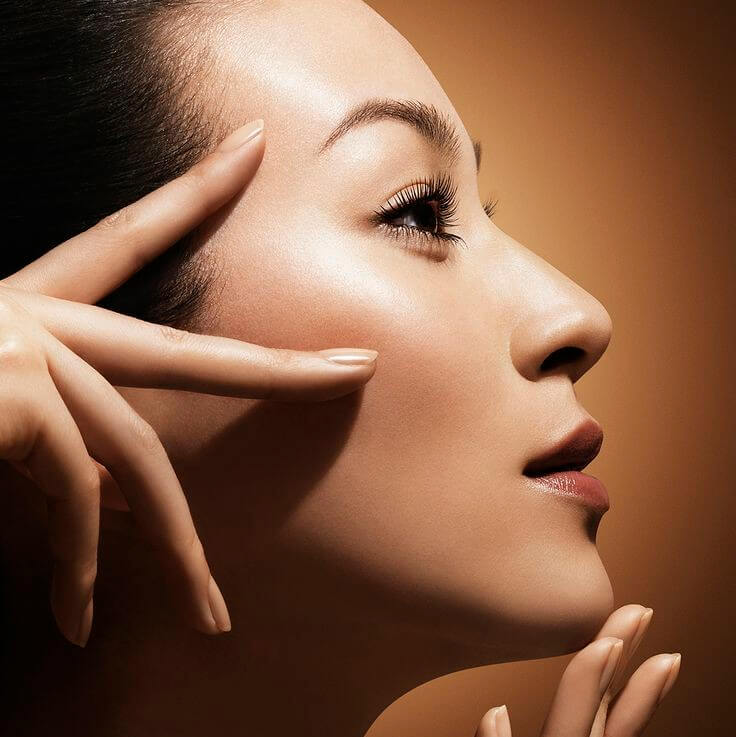
Objectives of the Surgery
The main objectives of forehead contouring surgery are :
- Soften the brow ridge: Often sought by women or transgender individuals (FTM or MTF) to feminize the face. A prominent brow ridge is a typical masculine feature.
- Reduce frontal projection: Decrease a forehead bossing or excessive slope.
- Increase frontal volume: Fill a forehead that is too flat or receding, often with implants or fat.
- Harmonize the profile: Create a softer, more aesthetic frontal curve in relation to the nose and chin.
- Correct asymmetries or irregularities: Smooth out specific depressions or bumps.
- Combine with hairline lowering: For patients with a high forehead, the procedure can be combined with hairline lowering to reduce the height of the forehead.
Who is a Good Candidate?
Ideal candidates for forehead contouring are adults in good physical and mental health, with realistic expectations about the results. Motivations may include:
- Desire for Facial Feminization Surgery (FFS): For transgender women or cisgender women wishing to soften their features.
- Correction of a feature deemed too masculine: Men or women dissatisfied with an overly prominent brow ridge.
- Correction of a flat or receding forehead: For those wishing to add volume.
- Correction of bumps or depressions: To smooth the forehead surface.
- A high forehead: Often combined with hairline lowering.
A thorough consultation with a qualified surgeon is essential to determine eligibility and discuss individual goals.
Types of Forehead Contouring Techniques
The surgical technique chosen will depend on the patient’s anatomy and desired results.
Frontal Bone Reduction (Feminization)
This is the most common technique for softening the brow ridge and reducing frontal projection. It is divided into several approaches:
- Type 1: Bone Shaving or Burring
- Description: If the frontal bone is thick and does not contain a frontal sinus (or if the sinus is very small and recessed), the surgeon can simply use a surgical burr to shave and smooth the prominent bone. This technique is less invasive but is only suitable if the bone thickness allows for sufficient shaving without compromising the integrity of the skull or exposing the sinus.
- Advantages: Shorter recovery time, fewer risks associated with opening the sinus.
- Disadvantages: Limited by bone thickness and the presence of the frontal sinus.
- Type 2: Frontal Sinus Setback
- Description: This is the most frequent and effective technique for patients with a prominent brow ridge due to a well-developed frontal sinus. The surgeon performs an osteotomy (bone cut) to remove the anterior wall of the frontal sinus. This bone section is then reshaped (shaved and smoothed) and repositioned further back, then fixed with small resorbable or permanent screws and plates. The space behind the recessed wall is often filled with bone graft material or a substitute to ensure stability.
- Advantages: Allows for significant and predictable reduction of frontal projection, creating a softer, more feminine forehead.
- Disadvantages: More invasive, risk of sinus exposure, requires longer recovery.
- Type 3: Combination of Setback and Shaving
- Description: Often, surgeons combine sinus wall setback with shaving of adjacent bone areas to achieve a smooth and natural transition.
Frontal Bone Augmentation
This technique is used for flat or receding foreheads, or to fill depressions.
- Custom Implants: Implants made of silicone, PEEK (Polyetheretherketone), or hydroxyapatite are custom-made from a 3D scan of the patient’s skull. They are inserted under the frontal muscle to create the desired volume and shape.
- Bone Cement: Materials like polymethyl methacrylate (PMMA) or hydroxyapatite are applied directly to the bone during surgery, then sculpted by the surgeon to achieve the desired shape.
- Autologous Fat Grafting: Fat is harvested from another part of the patient’s body (liposuction), purified, and then injected into the forehead to add volume. This method is less predictable in terms of final volume (some fat may be reabsorbed) and is generally used for more subtle augmentations.
Hairline Lowering / Forehead Reduction
This procedure is often performed in conjunction with forehead contouring, especially for patients with a high forehead or a receding hairline.
- Description: An incision is made just in front of the hairline. The forehead skin is then lifted, pulled down, and excess skin is removed to lower the hairline.
- Advantages: Reduces forehead height, improves facial balance.
- Disadvantages: Potential scar at the hairline (though often very discreet), may not be possible for all patients (skin elasticity).
Incisions
Incisions for forehead contouring are generally placed to minimize scar visibility:
- Coronal (or Bicoronal) Incision: The incision is made from ear to ear, hidden within the hair. It offers excellent access to the frontal bone but can lead to temporary or permanent scalp numbness.
- Pre-hairline Incision: The incision is placed just in front of the hairline. It allows for simultaneous hairline lowering and provides good access to the forehead. The scar is well concealed if the hairline is lowered.
- Endoscopic Incision: Less common for major bone reshaping, but can be used for minor adjustments or fat grafting.
Why Choose Turkey for Forehead Contouring?
Turkey has become a global hub for medical tourism, and aesthetic surgery, including forehead contouring, is a major component. Several factors contribute to this popularity.
Exceptional Cost-Effectiveness
Cost is undoubtedly the most attractive factor. Surgical procedures in Turkey are significantly cheaper than in Western Europe, the United States, or Canada, without compromising quality.
- Reasons for lower costs: Lower cost of living and wages, government support for medical tourism, strong competition among clinics.
- What’s included: Often, « all-inclusive » packages not only cover surgery, anesthesia, and hospitalization, but also airport-hotel-clinic transfers, accommodation, post-operative medications, and sometimes even an interpreter.
Quality of Care and Modern Facilities
Turkey has invested heavily in its healthcare infrastructure.
- Hospitals and Clinics: Many establishments are ultra-modern, equipped with the latest medical technologies, and meet international standards.
- Accreditations: Several Turkish hospitals are accredited by the Joint Commission International (JCI), a global recognition of excellence in patient safety and quality of care. The Turkish Ministry of Health also strictly oversees the sector.
Highly Qualified and Experienced Surgeons
Turkey boasts a large number of highly qualified plastic and craniofacial surgeons, many of whom have been trained in Europe or the United States.
- Experience: Due to the high volume of patients, Turkish surgeons gain extensive experience in complex procedures like forehead contouring.
- Specialization: Some surgeons specialize in Facial Feminization Surgery (FFS), which is a major asset for forehead contouring.
Ease of Access and Travel Logistics
- Flights: Istanbul, in particular, is a major air hub, with direct flights from many cities worldwide.
- Visas: For many countries, visa procedures are simplified or a visa is not required for short stays.
- Medical Tourism Services: Turkish clinics are very well organized to welcome international patients, offering comprehensive logistical support.
Discretion and Confidentiality
For many patients, the ability to undergo surgery away from home offers a welcome level of discretion during the recovery period.
Tourism Opportunity
Combining a surgical procedure with the discovery of a country rich in history and culture is a bonus for many patients. However, it is crucial to prioritize recovery before any intense tourist activities.
The Forehead Contouring Procedure in Turkey: Step-by-Step
Understanding the procedure is essential for preparation.
Initial Consultation and Planning
- Remote Consultation: Most Turkish clinics offer online consultations (via photos, videos, calls) to assess patient eligibility, discuss goals, and establish a preliminary plan. Photos from different angles and, if possible, a 3D CT scan of the skull will often be requested.
- In-Person Consultation: Once in Turkey, a thorough consultation with the surgeon will take place. They will examine your face, discuss possible techniques, risks, benefits, and realistic expectations. This is the time to ask all your questions.
- Personalized Planning: Based on facial analysis, patient desires, and 3D images (if available), the surgeon will develop a customized surgical plan.
Pre-operative Preparations
- Medical Examinations: Comprehensive blood tests, an electrocardiogram (ECG), and sometimes a chest X-ray will be performed to ensure you are healthy enough for general anesthesia.
- Medication Stoppage: You will be asked to stop certain medications (NSAIDs, anticoagulants, herbal supplements) that can increase the risk of bleeding, at least two weeks before surgery.
- Smoking and Alcohol: Quitting smoking and alcohol is imperative several weeks before and after surgery to optimize healing and reduce complications.
- Fasting: You will need to fast (no food or drink) for at least 6 to 8 hours before the procedure.
On the Day of Surgery
- Clinic Admission: You will be admitted to the clinic or hospital.
- Anesthesia: Forehead contouring is generally performed under general anesthesia, meaning you will be completely asleep throughout the procedure. A qualified anesthesiologist will be present to monitor your vital signs.
- Markings: The surgeon will make precise markings on your forehead to guide incisions and bone modifications.
- Duration: The surgery itself can last from 2 to 5 hours, depending on complexity and techniques used.
Detailed Surgical Techniques
- Incision: The surgeon will make the chosen incision (coronal or pre-hairline) and carefully lift the skin and soft tissues to expose the frontal bone.
- Access to the Frontal Sinus: If a sinus wall setback is required, the surgeon will access the frontal sinus.
- Bone Reshaping:
- Shaving: Use of a surgical burr to smooth bumps and reduce bone thickness.
- Osteotomy and Setback: If the sinus wall is removed, it will be reshaped, then repositioned and fixed with small screws and plates.
- Augmentation: Insertion of custom implants or application of bone cement to add volume.
- Hairline Lowering (if combined): Excess skin is removed, and the hairline is repositioned.
- Closure: Once reshaping is complete, tissues are repositioned, and incisions are sutured. Drains may be inserted to remove excess fluid and blood. A compression bandage is applied.
Immediate Post-operative Care and Hospitalization
- Recovery Room: After the operation, you will be taken to the recovery room where you will be closely monitored as you wake up from anesthesia.
- Pain and Discomfort: Some pain, swelling, and bruising are normal. Painkillers will be administered to manage the pain.
- Hospitalization: Most patients stay in the hospital for 1 to 2 nights for close monitoring and pain management.
- Dressings and Drains: Dressings and drains (if present) will be checked and changed by nursing staff.
Recovery Period and Follow-up
Recovery is a gradual process and varies from person to person.
- First Week:
- Swelling and Bruising: Swelling will be maximal during the first 3-5 days. Bruising may extend to the eyes and face.
- Numbness: A feeling of numbness in the scalp and forehead is very common and can last for weeks or even months.
- Drains: If drains were placed, they will usually be removed after 1 to 3 days.
- Rest: It is crucial to rest, keep your head elevated, and apply cold compresses to reduce swelling.
- Medications: You will continue to take prescribed painkillers and antibiotics.
- Weeks 2-4:
- Decreased Swelling: Swelling and bruising will begin to subside.
- Suture Removal: Sutures or hair staples are usually removed after 7 to 14 days.
- Light Activities: You can resume light activities, but strenuous exercise and heavy lifting should be avoided.
- Return to Work: Most patients can return to work after 2 to 3 weeks, depending on the nature of their job and their comfort level.
- Months 1-6:
- Resolution of Swelling: Residual swelling may persist for several months, especially in deep tissues. Final results will only be visible after 6 to 12 months.
- Return of Sensation: Sensation in the scalp and forehead will gradually return, although some areas may remain numb longer.
- Scar Healing: Scars will fade over time. The surgeon can advise you on scar care.
- Follow-up: Follow-up appointments are scheduled with the surgeon before you leave Turkey, and remote consultations can be arranged after your return.
Potential Risks and Complications
Like any surgical procedure, forehead contouring carries risks, although serious complications are rare.
- Hematoma or Bleeding: Accumulation of blood under the skin.
- Infection: Requiring antibiotic treatment.
- Numbness or Altered Sensation: Temporary or, rarely, permanent, due to nerve involvement.
- Asymmetry: Although surgeons aim for symmetry, subtle differences may persist.
- Unsatisfactory Results: Requiring revision surgery.
- Alopecia (Hair Loss): Temporary or permanent along the incision.
- Healing Problems: Hypertrophic or keloid scars.
- Anesthesia-related Complications: Allergic reactions, respiratory problems.
- Nerve Damage: Affecting facial muscles (very rare).
- Implant Problems: Displacement, infection, rejection (for augmentations).
It is crucial to discuss all these risks with your surgeon.
Choosing Your Surgeon and Clinic in Turkey
Choosing the right surgeon and clinic is the most critical step to ensure safety and satisfactory results.
Surgeon’s Qualifications and Experience
- Certification: Ensure the surgeon is certified by the Turkish Board of Plastic, Reconstructive and Aesthetic Surgery.
- Specialization: Look for a surgeon with significant experience and specialization in craniofacial surgery or facial feminization surgery (FFS), as forehead contouring is a complex procedure requiring specific expertise in facial bone anatomy.
- Number of Procedures: Do not hesitate to ask how many forehead contouring procedures the surgeon has performed.
- Before/After: Carefully examine before and after photos of former patients to assess the surgeon’s style and results.
Clinic Accreditation and Reputation
- Accreditation: Prioritize clinics and hospitals accredited by JCI (Joint Commission International) or the Turkish Ministry of Health.
- Facilities: Ensure the clinic has modern facilities, a well-equipped operating room, and an intensive care unit if needed.
- Hygiene and Safety: Inquire about hygiene and safety protocols.
- Patient Reviews: Read testimonials and online reviews on independent platforms (Google Reviews, specialized forums) to get an idea of other patients’ experiences.
Communication and Support
- Language: Ensure the surgeon and their team can communicate effectively in English or that a qualified interpreter is available.
- Patient Coordinator: A good clinic will have a dedicated patient coordinator who will assist you at every step, from initial consultation to post-operative follow-up.
- Clarity of Information: The surgeon must be transparent about risks, costs, and the recovery process.
All-Inclusive Packages
Many Turkish clinics offer packages that include:
- Surgery and anesthesia.
- Hospital fees.
- Post-operative medications.
- Airport-hotel-clinic transfers.
- Accommodation (usually 5 to 7 nights).
- Follow-up consultations.
- Sometimes an interpreter.
Always check what is included and what is not to avoid surprises.
Cost of Forehead Contouring in Turkey
Cost is one of the main drivers of medical tourism in Turkey.
Cost Comparison
- Turkey: The cost of forehead contouring in Turkey can vary significantly, generally between €4,000 and €10,000, or even more for very complex cases or custom implants.
- Western Europe / United States: Similar procedures can cost between €15,000 and €30,000, or more.
Factors Influencing Cost
- Procedure Complexity: Simple shaving is cheaper than a sinus wall setback with custom implants.
- Surgeon and Clinic Reputation: Highly sought-after surgeons and luxury clinics may charge more.
- Type of Anesthesia: General anesthesia is standard and included.
- Length of Hospital Stay: An extra night can increase the cost.
- Package Inclusions: « All-inclusive » packages may seem more expensive initially, but they are often more economical in the long run.
- Technology Used: The use of 3D planning or custom implants can influence the price.
It is imperative to request a detailed quote and understand all inclusions before making a decision.
Forehead contouring in Turkey offers an attractive opportunity for individuals seeking to harmonize their facial features. With experienced surgeons, modern facilities, and competitive costs, Turkey has established itself as a leading destination for this complex procedure. However, thorough research, careful planning, and realistic expectations are essential to ensure a safe and satisfying experience. By choosing a qualified surgeon and an accredited clinic, and by adequately preparing for travel and recovery, you can maximize your chances of achieving your desired aesthetic results.


